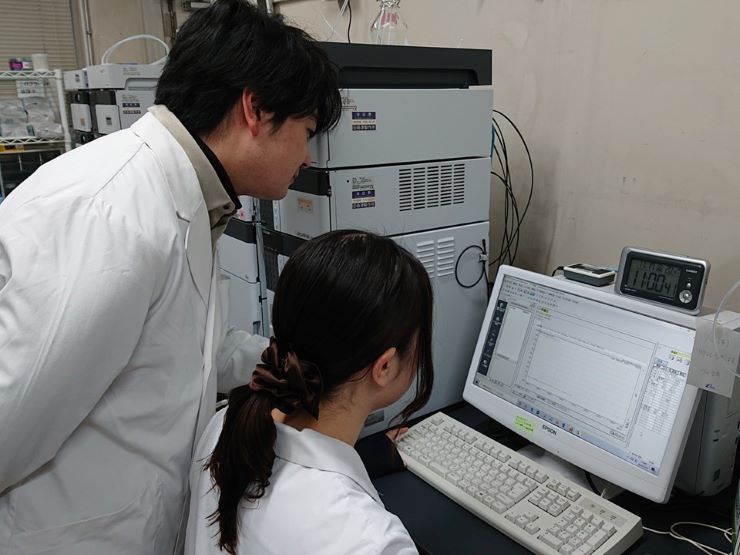
Laboratory of Clinical Pharmacometrics
Faculty of Applied Pharmaceutical Sciences
Our concept to determine a “single target” dose for each individual patient rather than a “range.”
The various methods for PKPD model development have been discussed for decades. To collect a rich data by frequent blood sampling is ethically difficult, and thus, a population PK approach has been used for PK modeling in clinical studies. The population PK approach enables to develop the PK model even if observations in each patient are sparse. However, a large-scale population and a complete data is necessary to build the model with high predictability and robustness, and modeling in a special population such as rare disease patients or pediatric patients is often difficult. To overcome some problems for PKPD model building on actual patient's medication in clinical practice, the pharmacometrics approach has been applied to clinical PKPD analysis with patients. Pharmacometrics is the concept of integrating multiple time courses - physiology, disease, drug intake, absorption, disposition, and action - and thus characterize pathologically, physiological and pharmacological systems. Our research focus involves the target concentration intervention for dose individualization based on patient features and responses to treatment. We are particularly interested in the application of artificial intelligence to dose individualization design.